PARTI
Priming Attention for Relational Teaching, Implicitly. An academic study asking whether children’s visual attention style can be shifted to improve their relational reasoning.
Can attention be taught to see relations?
People from different cultures show differences in reasoning, and a lot of adult work documents it. There is research on social and language development, but nobody had investigated it from the visual side.
Our hypothesis: children’s attentional style can be manipulated by visual stimuli.
Two ways of looking at one photo
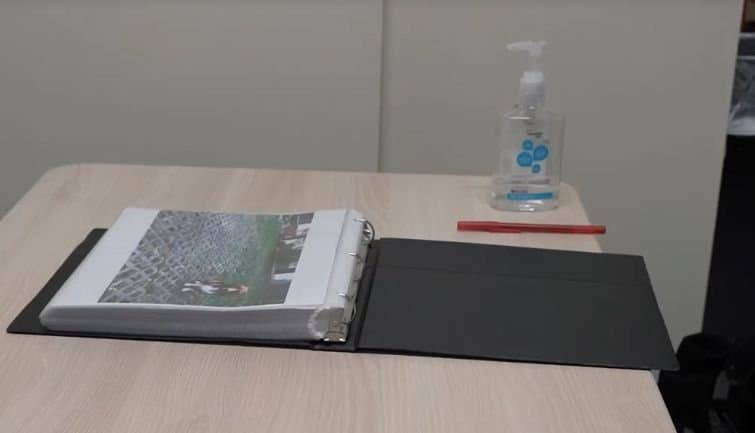
The manipulation is a script. Children see the same picture, but one condition walks them through the background while the other walks them through the focal object.


Match the relation, not the object
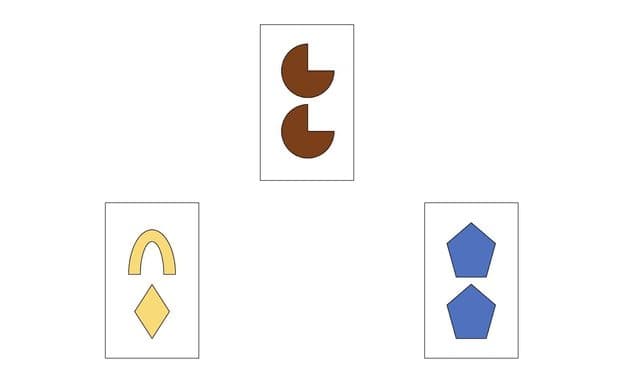
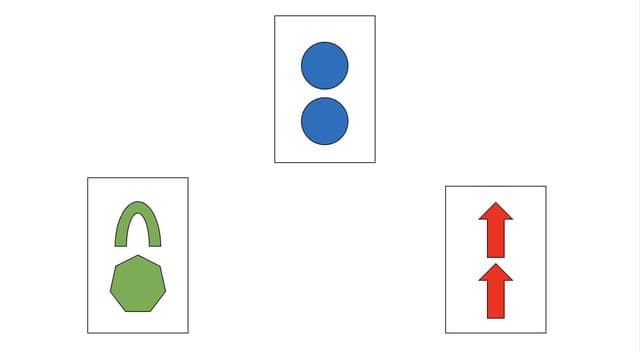
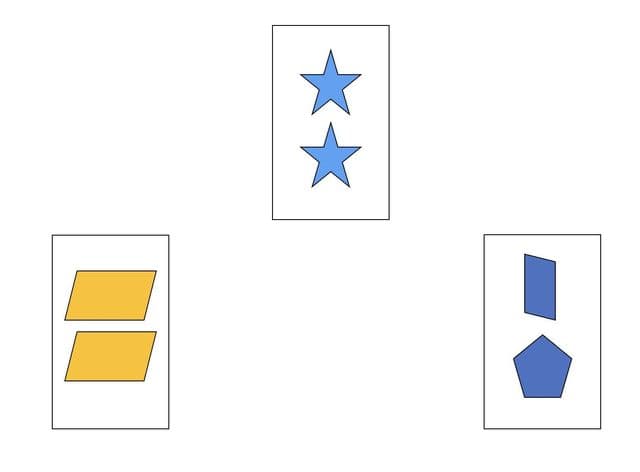
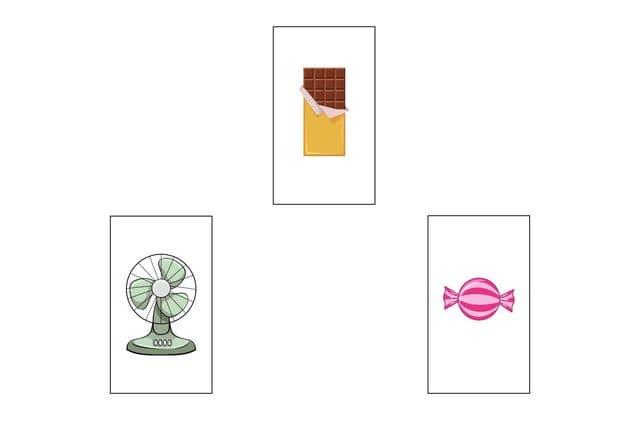
Between primes, children play a relational match-to-sample game: a card shows a relation, either two of the same shape or two different ones, and the child picks which card matches it. The shapes never match; only the relation does. Try it:
This card shows a relation. Which card below matches it?




A study you can hold
There was no established methodology, so I built one: a physical, high-fidelity prototype of laminated card stacks and a flip binder that a researcher can run across a table from a three-year-old.

Three problems, three fixes
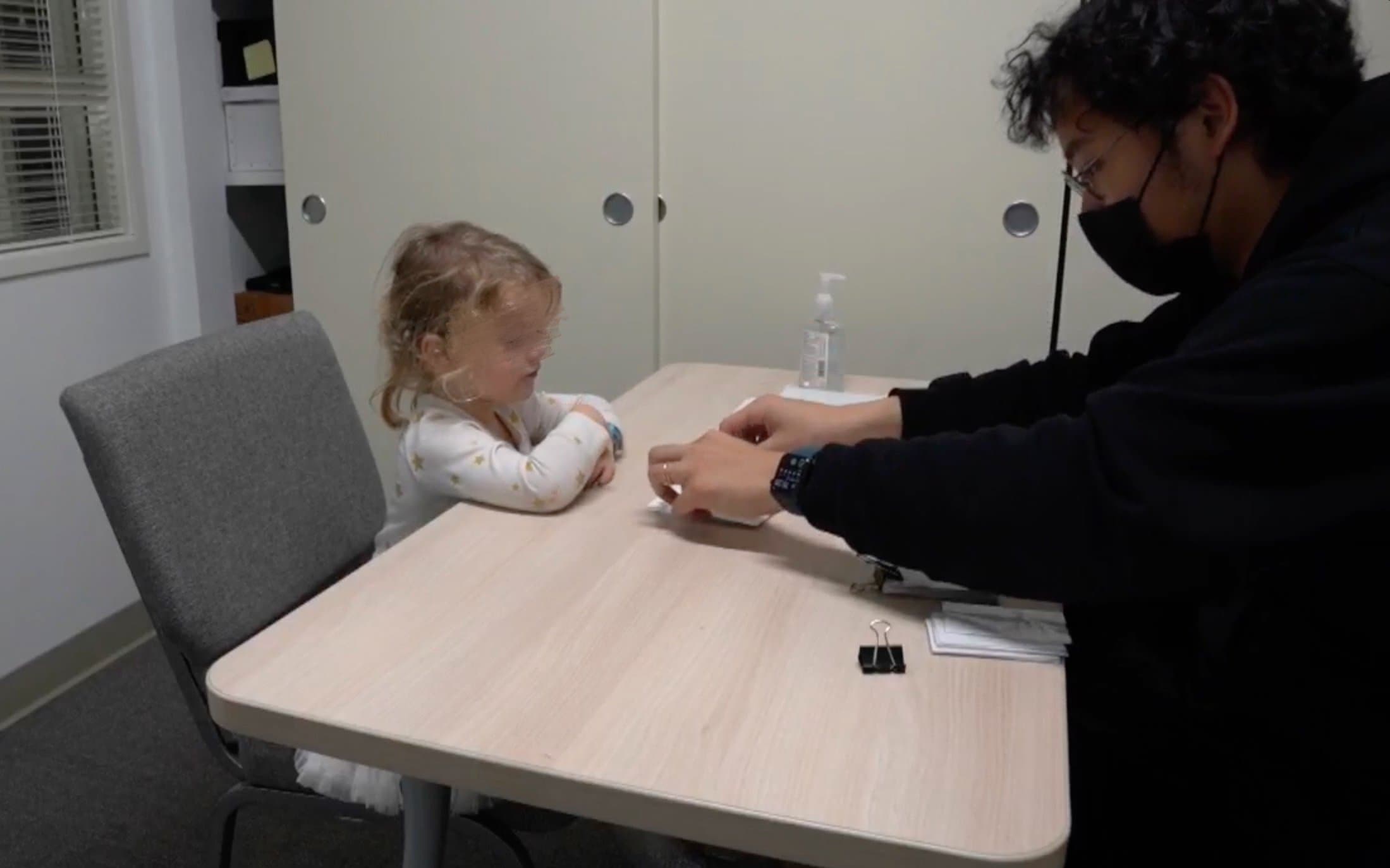
The pilot was honest with us. The task was boring, so children got fussy and couldn’t finish. The prototype was hard to manage: rearranging cards was slow, and children got distracted by them. And research assistants struggled with the most unpredictable participants there are: young kids.
So the discussion guide gained encouraging phrases and small toys (“Give me a high five!”), the prototype got a faster way to reset between trials, and I designed a training session for the RAs, with the difficult child played by a moderator.
The study became 35% faster, and retention improved by 45%.

200 children, ages 3.5 to 6
We recruited from a preschool, the lab database, and a science museum. The age range matters: 3.5 to 6 is a critical period for developing relational reasoning, and 200 participants gave the study more power than previous work on the question.

Democratizing research internationally
Collaborators at Chung-Ang University in Korea adopted the protocols and materials I developed. Working closely with international partners, including translating between the teams, made the research more scalable and more cross-culturally relevant.

Attention shapes reasoning, and it’s malleable
Children primed to attend to background and contextual features demonstrated notably better relational reasoning.
Before, studies showed that U.S. and East Asian children differ in relational reasoning without the causes being well understood. Now visual attention emerges as a key factor, one that can be shifted by priming.
For educators, the implication is that contextual, relational talk, not just object-focused talk, can meaningfully enhance children’s thinking and help them become adept analogical thinkers.
What I’d do differently
Shorten the task, to keep children engaged and reduce dropout. And given more time and resources, test object-focused priming with Chinese children, to see whether attentional styles can shift in both directions across cultures.